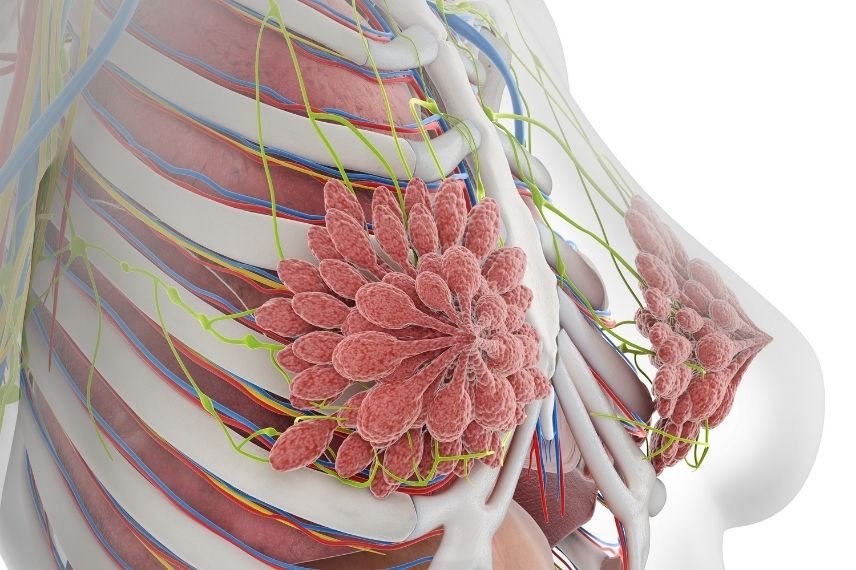
The appearance of prominent veins on the breast can be a source of cosmetic concern and, in some cases, anxiety. While visible veins in this area are not uncommon—particularly in fair-skinned individuals—there are situations in which over-venous vascularization becomes more pronounced, sometimes prompting clinical evaluation or aesthetic consultation.
This article aims to provide a clear overview of this condition, including possible causes, diagnostic considerations, and modern, minimally invasive treatment options.
What Is Over-Venous Vascularization of the Breast?
Over-venous vascularization refers to the increased visibility or enlargement of superficial veins in the breast tissue. These veins often appear blue, green, or purple, and may become more noticeable, bulging, or dilated, especially across the upper and outer portions of the breast.
In most cases, these veins are physiologically normal, with no pathological significance. However, when their visibility becomes excessive or asymmetric, further evaluation is warranted to exclude other underlying causes.
What Are the Causes?
Multiple factors can contribute to increased venous visibility in the breast:
- Hormonal fluctuations (e.g., during puberty, menstrual cycles, pregnancy, or menopause)
- Pregnancy and lactation: Due to increased breast volume and blood flow
- Weight gain or significant changes in body fat distribution
- Genetic predisposition: Naturally more prominent superficial venous anatomy
- Intense upper body exercise, leading to transient venous engorgement
- Previous breast surgery or trauma
- Sun exposure and thinning skin, particularly in light-skinned individuals
When to Be Concerned?
Although most cases are benign, the sudden or focal development of prominent veins—especially when accompanied by other symptoms such as:
- Breast mass
- Pain or inflammation
- Nipple discharge
- Skin changes
…should prompt medical evaluation to rule out more serious conditions, including inflammatory breast disease or vascular tumors.
In selected cases, Doppler ultrasound, mammography, or breast MRI may be used to assess deeper vascular structures or exclude other pathologies.
When Is Treatment Considered?
In the absence of medical concerns, over-venous vascularization is generally treated for aesthetic reasons. This is particularly relevant for individuals who:
- Feel self-conscious about visible breast veins
- Experience asymmetry in venous patterns
- Seek cosmetic correction after pregnancy or weight loss
- Have previously undergone aesthetic breast procedures (e.g., augmentation) and wish to reduce visual vein prominence
Sclerotherapy and Foam Sclerotherapy in the Breast Region
Sclerotherapy involves the injection of a sclerosing solution directly into a visible vein, causing its collapse and gradual resorption by the body. In the breast region, this technique can be applied with great precision to selected veins that are cosmetically bothersome.
Advantages of sclerotherapy in this area include:
- Minimally invasive: No incisions or scarring
- Highly targeted: Only visible superficial veins are treated
- Quick recovery: Minimal downtime
- Durable outcomes: Treated veins are unlikely to return
When veins are longer or more dilated, or when enhanced coverage is needed, foam sclerotherapy is preferred. The foam displaces blood within the vein and allows more uniform contact with the vessel wall, enhancing effectiveness.
In clinical practice, stability and homogeneity of the foam are essential for success. Modern systems such as VARIXIO® allow the preparation of consistent foam with reduced variability, ensuring better outcomes and lower complication rates.
Compared to laser-based treatments, which are often limited in penetration depth and may cause skin irritation or pigment changes, sclerotherapy—especially foam—is better suited for larger and more superficial vessels in the breast area.
Precautions and Expertise
Treating veins in the breast requires:
- Knowledge of local anatomy to avoid major vessels
- Careful vein selection to preserve physiologic drainage
- Consideration of breast implants or prior surgeries
- A skilled and experienced practitioner familiar with aesthetic vascular techniques
Not all visible veins are candidates for treatment. Functional or deeper veins involved in lymphatic or venous drainage should be preserved.
Conclusion
Visible veins on the breast, while often benign, can be a cosmetic concern for many. In cases where the visibility becomes pronounced or causes emotional discomfort, minimally invasive options such as liquid or foam sclerotherapy offer safe and effective treatment. When applied selectively and expertly, these techniques provide long-lasting aesthetic improvement with minimal intervention.
As with all aesthetic procedures, a careful clinical assessment is essential to ensure appropriate patient selection, exclude underlying conditions, and design an individualized treatment plan.