
01
Endovenous Laser Ablation (EVLA)
EVLA uses laser energy delivered inside a targeted vein. It may be considered for venous reflux after assessment of vein structure and blood flow.
Explore EVLA
Explore treatment approaches used for varicose veins, venous insufficiency and visible surface veins.
The appropriate option depends on the type and location of the vein, examination findings and, when needed, Doppler ultrasound. Prof. Dr. Ahmet Arnaz discusses a personalized plan based on each patient’s assessment.
Call +90 (545) 112 10 10Learn what each procedure involves. A clinical assessment is needed to determine whether a treatment may be suitable for you.
EVLA uses laser energy delivered inside a targeted vein. It may be considered for venous reflux after assessment of vein structure and blood flow.
Explore EVLA
RFA uses controlled radiofrequency energy to close a targeted vein from within. Suitability depends on clinical and ultrasound findings.
Explore RFA
Glue ablation uses a medical adhesive to close a selected vein. Whether it is an appropriate option is determined after assessment.
Explore Glue Ablation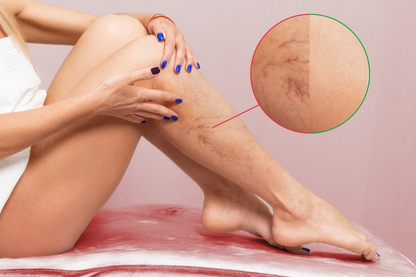
Also known as ambulatory phlebectomy, this procedure removes selected surface varicose veins through small openings in the skin.
Explore Microphlebectomy
Sclerotherapy involves injecting a solution into selected veins. The type of vein and assessment findings help determine whether it may be appropriate.
Explore Sclerotherapy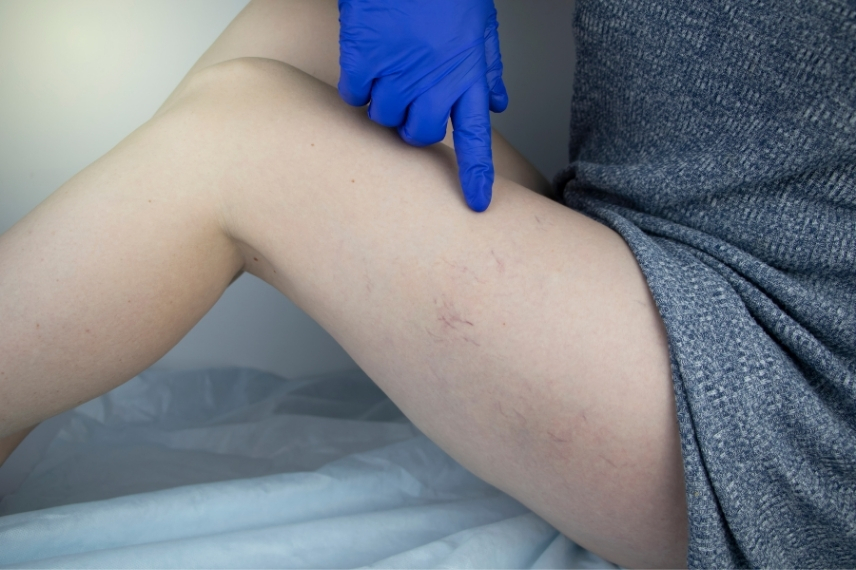
Foam sclerotherapy uses a foam preparation injected into selected veins. The treatment plan depends on the vein pattern and assessment.
Explore Foam SclerotherapyThe information above is general. A doctor determines the appropriate treatment plan after examination and, when necessary, Doppler ultrasound.
Venous care is not a one-size-fits-all process. The assessment helps identify the vein concern and inform a discussion about suitable options.
Your symptoms and relevant health history are reviewed.
Examination and Doppler ultrasound may be used when appropriate to evaluate vein structure and blood flow.
Treatment options are discussed according to the assessment. Some patients may need one procedure, while others may need more than one.
The appropriate option depends on your symptoms, examination and vein findings. Doppler ultrasound may be used when appropriate. Your doctor discusses the plan after assessment.
Doppler ultrasound is used when appropriate. The need for imaging depends on the type of vein concern, symptoms and clinical assessment.
Yes. Depending on the assessment findings, some patients may need one procedure while others may need more than one. The care plan is individualized.
Contact Istanbul Vein Center to ask about the consultation process and arrange a visit with the team.
Contact the center to learn about the assessment process and available treatment options.