Foam Sclerotherapy Treatment for Varicose Veins in Turkey
- Home
- Foam Sclerotherapy Treatment for Varicose Veins in Turkey
Contact
Phone
Address
Yeşilköy / Bakırköy / İstanbul
Nişantaşı / İstanbul
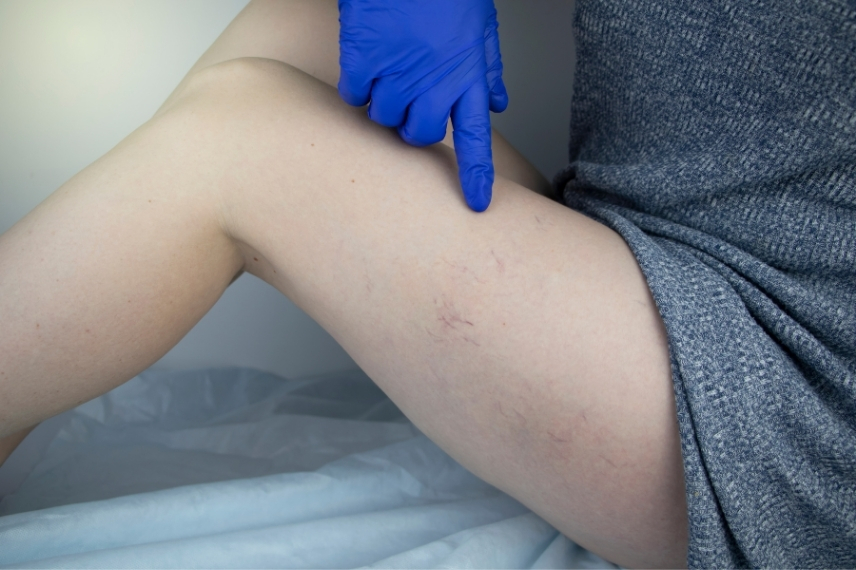
Foam sclerotherapy is an advanced, minimally invasive vein treatment used to treat small to medium-sized varicose veins and venous reflux by injecting a specially prepared foam solution directly into the affected veins. Compared to liquid sclerotherapy, foam allows better vein wall contact, making it more effective for larger and deeper superficial veins.
Turkey has become a preferred destination for foam sclerotherapy due to modern vascular expertise, advanced ultrasound-guided techniques, and patient-centered care. At Istanbul Vein Center, foam sclerotherapy is performed using evidence-based protocols with a strong focus on safety, precision, and long-term vein health.
What Is Foam Sclerotherapy?
Foam sclerotherapy is a specialized form of sclerotherapy in which the sclerosant solution is mixed with air or gas to create a foam consistency. This foam displaces blood inside the vein, allowing the active agent to remain in direct contact with the vein wall for a longer time.
Once injected:
- The vein lining is irritated
- The vein collapses and seals shut
- Blood is redirected to healthy veins
- The treated vein is gradually absorbed by the body
Because of its enhanced contact and visibility under ultrasound, foam sclerotherapy is particularly useful for larger superficial veins and veins with mild reflux.
How Foam Sclerotherapy Differs from Liquid Sclerotherapy
While both techniques use sclerosant injections, foam sclerotherapy offers important advantages in selected cases.
Foam Sclerotherapy
- Better contact with vein walls
- More effective for larger or deeper veins
- Can be ultrasound-guided
- Often requires fewer treatment sessions
Liquid Sclerotherapy
- Best for spider veins and very small veins
- Primarily cosmetic applications
- Limited effectiveness in larger veins
For this reason, foam sclerotherapy is often chosen when liquid sclerotherapy alone is insufficient.
Conditions Treated with Foam Sclerotherapy
Foam sclerotherapy is commonly used to treat:
- Small to medium-sized varicose veins
- Reticular veins
- Residual veins after EVLA or RFA
- Recurrent varicose veins
- Venous reflux in superficial veins
When appropriately selected, foam sclerotherapy improves both symptoms and leg appearance.
How Foam Sclerotherapy Is Performed
Foam sclerotherapy follows a precise, ultrasound-guided process to maximize effectiveness and minimize complications.
Key Principles of the Procedure
- Detailed vein assessment and mapping
- Ultrasound-guided needle placement
- Controlled injection of foam sclerosant
- Immediate vein closure
The procedure is typically performed on an outpatient basis and does not require general anesthesia. Patients are encouraged to walk immediately after treatment.
All treatment planning and procedural oversight are provided under the supervision of Prof. Dr. Ahmet Arnaz, ensuring correct indication and optimal outcomes.
Who Is a Good Candidate for Foam Sclerotherapy?
Foam sclerotherapy delivers the best results when used for appropriately selected veins and guided by ultrasound. Proper evaluation is essential to determine whether foam is the optimal choice.
Ideal candidates typically include patients who:
- Have small to medium-sized varicose veins
- Have reticular veins or residual veins after EVLA or RFA
- Show mild to moderate superficial venous reflux
- Prefer a minimally invasive, injection-based treatment
- Seek effective treatment with limited downtime
- Have veins that are not suitable for catheter-based ablation
Foam sclerotherapy is especially valuable when liquid sclerotherapy is insufficient and when endovenous ablation is not required.
At Istanbul Vein Center, candidacy is determined through clinical examination and Doppler ultrasound to ensure both safety and effectiveness.
Foam Sclerotherapy vs EVLA vs RFA vs Microphlebectomy
Modern vein treatment relies on selecting the right technique for the right vein. Each method has a specific role.
Foam Sclerotherapy
- Injection-based, minimally invasive
- Effective for small to medium varicose veins
- Can be ultrasound-guided
- Often used as a complementary treatment
Endovenous Laser Ablation (EVLA)
- Laser-based thermal ablation
- Treats major refluxing veins
- Suitable for larger incompetent veins
Radiofrequency Ablation (RFA)
- Controlled radiofrequency heat
- Comfortable recovery profile
- Widely used for saphenous vein reflux
Microphlebectomy
- Physical removal of bulging superficial veins
- Immediate cosmetic improvement
- Often combined with ablation or sclerotherapy
In many cases, combination therapy provides the most complete and durable results—for example, EVLA or RFA to treat reflux, followed by foam sclerotherapy for remaining superficial veins.
Treatment strategy is planned and supervised by Prof. Dr. Ahmet Arnaz, ensuring tailored care for each patient.
Benefits of Foam Sclerotherapy
Foam sclerotherapy offers distinct advantages compared to other injection-based treatments.
Key benefits include:
- Enhanced contact with vein walls
- Higher effectiveness in larger superficial veins
- Ultrasound-guided precision
- No surgical incisions
- No general anesthesia
- Short treatment sessions
- High patient satisfaction
Because foam displaces blood within the vein, treatment efficiency is improved while minimizing the amount of sclerosant needed.
Patient Comfort and Procedural Experience
Foam sclerotherapy is designed to balance effectiveness with comfort.
During the Procedure
- Fine needles and ultrasound guidance
- Minimal discomfort during injection
- Short procedure duration
After the Procedure
- Immediate walking encouraged
- Compression stockings often recommended
- Mild tightness or redness may occur temporarily
Patients typically resume normal daily activities quickly.
Recovery After Foam Sclerotherapy
Recovery is generally smooth and predictable.
What to Expect After Treatment
- Mild bruising or redness at injection sites
- Gradual fading of treated veins
- Temporary firmness along treated veins in some cases
Healing Timeline
- First days: injection marks fade
- First weeks: veins shrink and become less visible
- Following months: final cosmetic and symptomatic results appear
Multiple sessions may be required depending on vein size and treatment goals.
Long-Term Results of Foam Sclerotherapy
Foam sclerotherapy provides durable and effective outcomes when applied to properly selected veins.
Clinical outcomes include:
- Permanent closure of treated veins
- Improved leg appearance
- Reduction of vein-related symptoms
While new veins may develop over time due to genetics or lifestyle factors, treated veins do not reopen.
Why Choose Istanbul Vein Center for Foam Sclerotherapy in Turkey
Achieving optimal results with foam sclerotherapy requires experience, ultrasound expertise, and precise technique.
At Istanbul Vein Center, foam sclerotherapy is delivered as part of a comprehensive vein care strategy.
Comprehensive Vein Assessment
- Clinical evaluation and Doppler ultrasound
- Identification of reflux and superficial vein patterns
- Personalized treatment planning
Expertise of Prof. Dr. Ahmet Arnaz
All foam sclerotherapy treatments are evaluated and supervised by Prof. Dr. Ahmet Arnaz, ensuring correct indication, safety, and aesthetic balance.
International Patient-Friendly Care
- Clear English communication
- Efficient scheduling
- Same-day treatment options
Turkey’s modern healthcare system and Istanbul’s accessibility make treatment both effective and convenient for international patients.
Frequently Asked Questions About Foam Sclerotherapy
What is foam sclerotherapy?
Foam sclerotherapy is a minimally invasive vein treatment in which a sclerosant solution is converted into foam and injected into varicose or reticular veins. The foam improves contact with the vein wall, causing the vein to close and gradually disappear.
How is foam sclerotherapy different from liquid sclerotherapy?
Foam sclerotherapy provides better vein wall contact and is more effective for larger or deeper superficial veins. Liquid sclerotherapy is mainly used for very small spider veins.
Is foam sclerotherapy painful?
Foam sclerotherapy is generally well tolerated. Patients may feel mild pressure or a brief stinging sensation during injection, but significant pain is uncommon.
How long does foam sclerotherapy take?
A typical session lasts 20–40 minutes, depending on the number and size of veins being treated. It is performed as an outpatient procedure.
When can I return to daily activities?
Most patients return to normal daily activities the same day. Walking is encouraged immediately after treatment, while intense exercise may be limited temporarily.
Are foam sclerotherapy results permanent?
Treated veins do not reopen. However, new veins may develop over time due to genetic or lifestyle factors and can be treated with additional sessions if needed.