Microphlebectomy Treatment for Varicose Veins in Turkey
- Home
- Microphlebectomy Treatment for Varicose Veins in Turkey
Contact
Phone
Address
Yeşilköy / Bakırköy / İstanbul
Nişantaşı / İstanbul
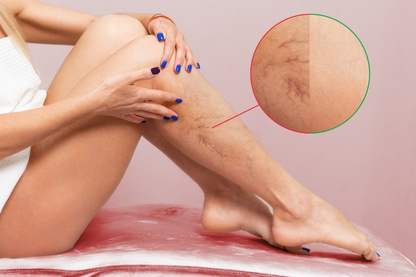
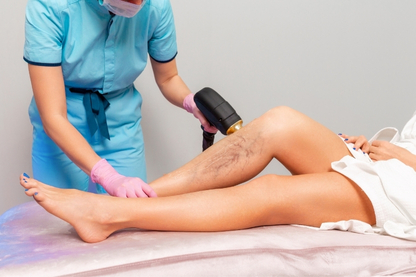
Microphlebectomy is a minimally invasive surgical technique used to remove visible varicose veins through very small skin incisions. Unlike endovenous treatments that close veins from the inside, microphlebectomy physically removes diseased superficial veins, providing immediate cosmetic and symptomatic improvement.
Turkey has become a preferred destination for microphlebectomy treatment thanks to advanced vascular expertise, modern medical facilities, and patient-focused care. At Istanbul Vein Center, microphlebectomy is performed using meticulous technique and evidence-based planning to achieve durable results with minimal scarring.
What Is Microphlebectomy?
Microphlebectomy—also known as ambulatory phlebectomy—is a procedure designed to remove enlarged superficial varicose veins through tiny skin punctures, usually only a few millimeters in size. These small openings do not require stitches and typically heal with little to no visible scarring.
The procedure is commonly performed under local anesthesia and can be combined with other vein treatments when necessary. By removing bulging veins directly, microphlebectomy offers instant relief from visible varicosities and associated symptoms such as pain, heaviness, and discomfort.
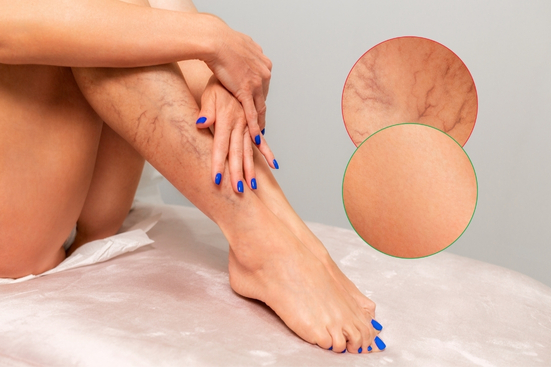
Conditions Treated with Microphlebectomy
Microphlebectomy is especially effective for treating:
- Large, bulging varicose veins
- Superficial tributary veins
- Residual varicose veins after EVLA or RFA
- Symptomatic veins causing pain, heaviness, or tenderness
- Cosmetic concerns related to prominent leg veins
Because the diseased veins are completely removed, recurrence in the treated vein segments is extremely unlikely.
How Microphlebectomy Is Performed
Microphlebectomy follows a precise, step-by-step approach designed to maximize effectiveness while minimizing tissue trauma.
Key Steps of the Procedure
- Local anesthesia applied along the vein pathway
- Tiny skin incisions made over the vein
- Specialized hooks used to gently extract the vein
- Vein removed in small segments
- No stitches required
The procedure is typically completed on an outpatient basis, and patients are encouraged to walk immediately afterward.
All treatment planning and procedural oversight are provided under the supervision of Prof. Dr. Ahmet Arnaz, ensuring proper patient selection and optimal aesthetic and medical outcomes.
Who Is a Good Candidate for Microphlebectomy?
Microphlebectomy is most effective when applied to the right vein type and clinical scenario. Proper patient selection is essential for achieving both functional and cosmetic success.
Ideal candidates for microphlebectomy typically include patients who:
- Have large, bulging superficial varicose veins
- Experience pain, tenderness, heaviness, or local discomfort
- Have residual varicose veins after EVLA or RFA
- Have veins that are too superficial or tortuous for catheter-based treatments
- Seek immediate cosmetic improvement
- Have symptoms that persist despite endovenous ablation of the main reflux vein
Microphlebectomy is often used as a complementary treatment, removing surface veins after the underlying reflux has been treated with EVLA or RFA.
At Istanbul Vein Center, candidacy is determined through detailed Doppler ultrasound mapping and clinical evaluation, not appearance alone.
Microphlebectomy vs EVLA vs RFA
Microphlebectomy, Endovenous Laser Ablation (EVLA), and Radiofrequency Ablation (RFA) serve different but complementary roles in modern vein treatment.
Microphlebectomy
- Physically removes visible varicose veins
- Immediate cosmetic improvement
- Ideal for large, superficial, bulging veins
- No energy, no catheter inside the vein
- Often combined with EVLA or RFA
Endovenous Laser Ablation (EVLA)
- Closes incompetent veins using laser heat
- Treats the main source of venous reflux
- Minimally invasive, catheter-based
- Excellent long-term outcomes
Radiofrequency Ablation (RFA)
- Uses controlled radiofrequency energy
- Uniform heating and comfortable recovery
- Widely used for saphenous vein insufficiency
In many cases, the best results are achieved by combining techniques—closing the refluxing vein with EVLA or RFA and removing remaining surface veins with microphlebectomy.
Treatment strategy and technique selection are supervised by Prof. Dr. Ahmet Arnaz, ensuring that each method is used where it provides the greatest benefit.
Benefits of Microphlebectomy for Varicose Veins
Microphlebectomy offers several unique advantages, particularly for patients concerned about both symptoms and appearance.
Key benefits include:
- Immediate removal of visible varicose veins
- Rapid relief of local pain and discomfort
- Very small skin incisions
- Minimal scarring when performed correctly
- No stitches required
- Can be combined with other vein treatments
- High patient satisfaction
Because the diseased vein segments are completely removed, treated veins do not recur in the same location.
Patient Comfort and Procedural Experience
Despite being a surgical technique, microphlebectomy is designed to be highly patient-friendly.
During the Procedure
- Performed under local anesthesia
- Small punctures instead of large incisions
- Careful, segmental vein removal
After the Procedure
- Immediate walking encouraged
- Mild bruising or tenderness may occur
- No hospital stay required
Most patients tolerate the procedure well and return home the same day.
Recovery After Microphlebectomy
Recovery after microphlebectomy is generally straightforward and predictable.
What to Expect After the Procedure
- Mild bruising along the treated vein path
- Temporary tenderness or tightness
- Compression stockings usually recommended for a short period
- Daily activities resumed within a few days
Healing Timeline
- First days: bruising and swelling gradually decrease
- First weeks: skin smooths as veins disappear
- Following months: incision marks fade significantly
Follow-up visits ensure proper healing and optimal cosmetic results.
Long-Term Results of Microphlebectomy
Microphlebectomy provides durable and lasting results when performed for appropriate indications.
Clinical outcomes include:
- Permanent removal of treated veins
- Sustained symptom relief
- Very low recurrence in treated segments
When combined with treatment of underlying venous reflux, microphlebectomy contributes to long-term vein health and patient satisfaction.
Why Choose Istanbul Vein Center for Microphlebectomy in Turkey
Successful microphlebectomy depends on technical precision, anatomical knowledge, and aesthetic judgment.
At Istanbul Vein Center, microphlebectomy is performed as part of a comprehensive vascular treatment plan.
Advanced Vascular Evaluation
- Detailed Doppler ultrasound mapping
- Identification of reflux and tributary veins
- Personalized treatment planning
Expertise of Prof. Dr. Ahmet Arnaz
All microphlebectomy procedures are evaluated and supervised by Prof. Dr. Ahmet Arnaz, whose experience in vascular and minimally invasive vein treatments ensures both medical safety and cosmetic excellence.
International Patient-Friendly Care
- Clear communication in English
- Efficient scheduling
- Same-day treatment and discharge
Turkey’s advanced healthcare infrastructure and Istanbul’s accessibility make treatment convenient for international patients.
Frequently Asked Questions About Microphlebectomy
What is microphlebectomy?
Microphlebectomy is a minimally invasive surgical technique used to remove visible superficial varicose veins through very small skin incisions. The veins are physically removed, providing immediate cosmetic and symptomatic improvement.
Is microphlebectomy painful?
Microphlebectomy is performed under local anesthesia. Most patients experience minimal discomfort during the procedure and mild soreness or bruising afterward, which typically resolves within a short time.
How long does microphlebectomy take?
The procedure usually takes 30–60 minutes, depending on the number and size of veins being treated, and is performed on an outpatient basis.
Will there be scars after microphlebectomy?
The incisions used in microphlebectomy are very small and usually do not require stitches. When performed correctly, visible scarring is minimal and often fades significantly over time.
When can I return to daily activities?
Most patients return to normal daily activities within 1–3 days. Walking is encouraged immediately after the procedure, while strenuous exercise may be limited temporarily.
Is microphlebectomy permanent?
Yes. The veins removed during microphlebectomy do not return. Long-term success is highest when underlying venous reflux is also treated if present.
Can microphlebectomy be combined with EVLA or RFA?
Yes. Microphlebectomy is frequently combined with EVLA or RFA to achieve optimal medical and cosmetic results by treating both the source of reflux and visible varicose veins.