Sclerotherapy and Foam Sclerotherapy
Learn how liquid and ultrasound-guided foam sclerotherapy are assessed and performed, which vein types they may treat, and what recovery can involve. The recommended method depends on your examination, vein pattern and health history.
What is sclerotherapy?
Sclerotherapy is an injection-based treatment in which a clinician places a medicine called a sclerosant into selected veins to close them.
Veins carry blood from the body back towards the heart. In the legs, one-way valves help blood travel upwards against gravity. If the valves do not close effectively, blood can flow backwards and collect in a vein. This backward flow is called venous reflux. It can contribute to varicose veins and symptoms such as aching, heaviness, swelling or itching.
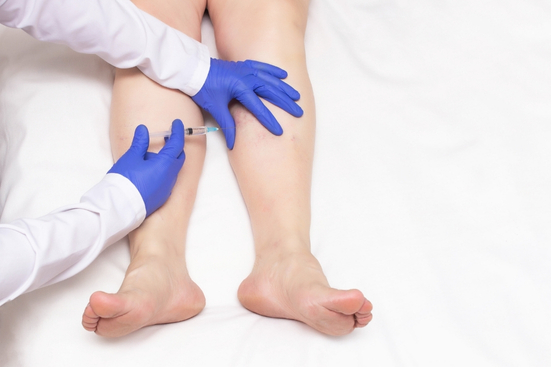
During sclerotherapy, a sclerosant is injected into a selected vein using a fine needle. The substance affects the inner lining of the vein. The treated vein closes over time, and blood is redirected through other veins. The body gradually absorbs the closed vein. The response and the time needed for a visible change vary between individuals and between vein types.
The term sclerotherapy can refer to more than one technique. Liquid sclerotherapy is often considered for smaller superficial veins, such as certain spider or reticular veins. Foam sclerotherapy uses a foamed sclerosant and may be injected into selected larger veins. When ultrasound is used to guide foam injection into a vein that is not directly visible, the procedure is called ultrasound-guided foam sclerotherapy.
These methods are not interchangeable for every patient. Vein size, depth, location, the presence of reflux, symptoms, previous treatment and general health can all influence the choice. A clinician should explain which vein is being considered, why the chosen form of sclerotherapy may be appropriate and what alternatives are available.
Sclerotherapy can be used for selected cosmetic concerns and for some symptomatic superficial veins. It is not a universal replacement for treatment of significant reflux in a larger superficial vein. If an underlying source of reflux is present, the clinician may discuss whether that source needs separate treatment.
A sclerosant is placed into selected veins.
The method depends on vein size, depth and clinical findings.
Ultrasound may be used to assess or guide treatment.
How does a sclerosant close a vein?
A sclerosant is a medicine that is used to treat selected veins. When it is injected into the target vein, it affects the inner lining of the vessel. The vein walls react and the vein closes. Blood then travels through other veins. The closed vein is gradually absorbed by the body.
The aim is to treat a specific vein or group of veins identified during assessment. The clinician chooses the type of sclerosant, concentration, amount and injection technique according to the vein and the treatment plan. The product and protocol should be explained to the patient before the procedure.
With liquid sclerotherapy, the sclerosant is injected as a liquid. With foam sclerotherapy, it is prepared as a foam before being placed into the selected vein. Foam can displace blood in the target vein and contact the vein wall, but its use depends on the vein characteristics and clinical judgement.
Foam may be guided by ultrasound when the target vein is deeper or not directly visible. The ultrasound image helps the clinician locate the vein and observe the injection. Not every foam injection is necessarily ultrasound-guided; the technique is selected for the clinical situation.
The treated vein does not need to remain open for normal blood return if other veins are functioning. However, treatment planning should consider the wider venous system rather than treating an isolated visible mark without understanding its context.
Liquid sclerotherapy and foam sclerotherapy
The clinician selects the form of sclerotherapy according to the target vein, its depth and the findings from examination or ultrasound. The names describe different ways of delivering the sclerosant, not a ranking from better to worse.
Which veins may be considered?
Sclerotherapy may be considered for selected spider veins, reticular veins, smaller varicose veins, tributary veins or residual veins after another treatment. Foam sclerotherapy may also be considered for particular veins that can be assessed and treated under ultrasound guidance. The appropriate method depends on the diagnosis and the individual anatomy.
Spider veins are small visible vessels near the skin surface. Reticular veins are generally larger than spider veins and may appear as blue or greenish lines beneath the skin. Varicose tributaries are enlarged branches that may be more prominent or raised. These descriptions are general; a clinician determines the type of vein during assessment.
A larger vein with significant axial reflux may require a different treatment discussion. Foam sclerotherapy can be an option for selected patients and vein patterns, but it is not automatically the preferred approach for every larger refluxing vein. The clinician should explain the expected benefits and limitations relative to other methods.
If veins remain after EVLA, RFA, glue closure or another procedure, the clinician may assess whether foam or liquid sclerotherapy is appropriate. Treating residual branches may be considered at the same time as another procedure or later, after reassessment. The timing depends on the plan and the clinical findings.
When should superficial veins be assessed?
Some people seek advice because of visible spider veins or small varicose veins. Others are concerned about discomfort, swelling or skin changes. Assessment helps determine whether the veins are related to symptoms and which treatment, if any, may be suitable.
Appearance and symptoms do not always match
The visibility or number of small veins does not necessarily indicate the severity of a venous condition. Some people have visible spider veins without discomfort. Others have leg symptoms that are not caused by the visible veins. A clinician should consider the full history and examination before recommending treatment.
Leg aching, heaviness, swelling and itching can have different causes. Musculoskeletal conditions, nerve problems, medication effects and other circulation issues can produce similar complaints. Sclerotherapy should be considered only when the treatment target and clinical purpose are understood.
If you have skin changes, a persistent wound, bleeding from a varicose vein or a vein that has become acutely painful and hard, tell a healthcare professional. These findings may require a broader assessment than a routine injection treatment.
Before an appointment, it may help to note when symptoms occur, whether one or both legs are affected, whether prolonged standing changes them and how long the symptoms have been present. Bring previous ultrasound or treatment records if they are available.
If a varicose vein bleeds, apply firm pressure and elevate the leg if possible, then seek urgent medical assessment. Sudden severe swelling, chest pain or difficulty breathing also requires urgent medical attention. Do not wait for a routine appointment if symptoms may need emergency care.
How is sclerotherapy suitability assessed?
The assessment begins with a discussion of your symptoms, treatment goals and medical history. The clinician may ask when the veins appeared, whether they have changed, whether you have discomfort or swelling, and whether you have received previous treatment.
A physical examination helps assess the visible veins and any associated skin changes. The clinician may examine the legs in different positions. Information about medicines, allergies, previous blood clots, bleeding problems, pregnancy, mobility and other health conditions may be relevant to planning.
Duplex ultrasound may be recommended when the clinician needs to assess blood flow, identify reflux or understand how visible veins relate to deeper or larger superficial veins. Ultrasound is also used during ultrasound-guided foam sclerotherapy to locate and monitor the target vein.
Not every small visible vein requires an ultrasound examination, and not every patient needs the same assessment. The clinician decides what is appropriate based on the symptoms, examination and proposed treatment. Ask what the scan is intended to assess and how its results affect the treatment plan.
A consultation should also cover the sclerosant, the type of injection, the number of areas being treated, the possibility of more than one session, aftercare and potential risks. If any part of the explanation is unclear, ask the clinician to explain it in plain language.
Vein type and location guide the method
Liquid or foam sclerotherapy may be discussed when the selected vein and clinical findings support its use.
Who may be considered for sclerotherapy?
Sclerotherapy may be considered for selected small superficial veins, spider veins, reticular veins, certain varicose tributaries or residual veins after another procedure. Foam sclerotherapy may be considered for particular veins that are suitable for foam injection, sometimes under ultrasound guidance.
The clinician considers the vein's size, depth, course and relationship to other veins. Symptoms, skin condition, previous treatment, medicines, allergies and general health also matter. The recommendation should be based on clinical assessment rather than the assumption that every visible vein should be injected.
Sclerotherapy is not automatically a substitute for treatment of significant reflux in a larger vein. If ultrasound shows a source of reflux, the clinician may discuss whether a different endovenous method should be considered. In some treatment plans, sclerotherapy is used for branches after the main refluxing vein has been treated.
Some health factors can affect whether treatment should proceed or whether it should be delayed. These may include pregnancy, certain medical conditions, a history of blood clots, allergies, medicines and mobility. The clinician should review these factors with you and explain any precautions.
If sclerotherapy is not suitable, another option may be considered. Depending on the diagnosis, alternatives may include EVLA, RFA, glue closure, microphlebectomy, another form of sclerotherapy, conservative management or further evaluation. Ask why one method is being recommended and what alternatives are appropriate for your vein pattern.
Your preferences are part of the discussion. You may wish to ask about the expected number of sessions, the likely time course of visible changes, the chance of temporary marks or pigmentation, and whether other veins may need treatment later. The clinician can help set expectations based on the findings.
What happens during sclerotherapy?
The exact process varies according to the type of sclerotherapy, the vein being treated, the sclerosant used and the clinical setting. Your clinician should explain the planned procedure and aftercare before you decide to proceed.
Review and planning
The clinician reviews your symptoms, medical history, examination and any relevant ultrasound findings.
Vein identification
The veins selected for treatment are identified. Ultrasound may be used when the target vein needs to be visualized.
Preparation
The skin is cleaned, and the clinician prepares the liquid or foam sclerosant according to the treatment plan.
Injection
A fine needle is used to inject the sclerosant into the selected vein. Foam may be guided using ultrasound.
Compression if advised
A pad, dressing or compression garment may be recommended depending on the treated veins and the clinician's instructions.
Aftercare guidance
The team explains activity, follow-up, skin care and which symptoms should prompt contact with the clinic.
What should I expect during the appointment?
Before treatment begins, you should have the opportunity to confirm which veins are being treated and to ask questions. The care team may review medicines, allergies and relevant health changes. Tell them if you have had a previous reaction to a sclerosant or another injection.
The clinician cleans the area and identifies the target veins. With liquid sclerotherapy, the injection is placed into the selected visible vein. With ultrasound-guided foam treatment, the clinician uses imaging to locate the target and guide the injection. The number of injections and the time needed depend on the treatment plan.
You may feel a brief sting, pressure or mild discomfort during an injection. Tell the clinician if you feel significant pain, feel unwell or are concerned. The treating team can explain what is happening and respond to your concerns.
After injection, the clinician may apply a pad or dressing and may recommend compression. Instructions vary by treatment and patient. Do not assume that compression is always required or never required; follow the advice given for your procedure.
Before leaving, make sure you understand the aftercare plan, whether you should walk or avoid particular activities, when follow-up is planned and how to contact the clinic. If you are visiting Istanbul for treatment, discuss travel timing and any follow-up requirements before arranging your trip.
How do liquid and foam sclerotherapy differ?
Both methods use a sclerosant to treat selected veins. The difference is how the medicine is prepared and delivered. A liquid sclerosant is injected as a liquid. Foam sclerosant is prepared as a foam before injection. The clinician selects the method based on the vein and the treatment objective.
Liquid treatment may be considered for certain smaller, superficial veins. Foam may be considered for some larger or deeper veins, and ultrasound guidance may be used to direct the injection. The exact indications depend on the patient's anatomy, local practice and the product used.
Foam treatment is not necessarily more effective or more suitable simply because a vein is larger. The clinician should consider the diameter, location, length and flow pattern of the vein, as well as the patient's symptoms and medical history.
The consultation should clarify whether the purpose is to treat spider veins, a tributary varicosity, a residual vein after ablation or another target. If the procedure is ultrasound-guided, ask what the scan shows and how it guides treatment.
Potential advantages of sclerotherapy
When the target vein is appropriate, sclerotherapy offers an injection-based way to close selected superficial veins. It does not require a surgical incision to inject the sclerosant. The potential benefit depends on the diagnosis, the vein selected and the patient's treatment goals.
- It can be used for selected small superficial veins.
- Foam can be guided by ultrasound when appropriate.
- It does not require a catheter for each injection.
- It can be considered for some residual tributary veins.
- It may be included in a broader individualized care plan.
- Several areas may be assessed during one treatment plan.
These are general features, not a promise of a particular cosmetic or medical result. The number of sessions, the speed of visible change and the degree of symptom improvement vary.
What sclerotherapy may not address
Sclerotherapy treats selected veins. It may not address a source of reflux in a larger vein, every visible vein, all skin changes or symptoms with another cause. The clinician should explain the scope of the proposed treatment.
More than one session may be recommended, especially when several areas or a larger number of veins are being treated. A staged plan can allow the clinician to review the response before deciding whether further injections are appropriate.
New veins can develop over time, and symptoms may recur. Closing a selected vein does not prevent every future vein from becoming visible. No treatment should be described as a guarantee of permanent freedom from varicose or spider veins.
Temporary pigmentation, bruising, inflammation or other visible changes can occur after treatment. Ask which changes are possible and how they may be managed or monitored.
Sclerotherapy, EVLA, RFA and microphlebectomy
Different procedures address different vein patterns. A clinician can explain how each method relates to your diagnosis and whether more than one approach may be considered.
No method is automatically right for every patient. Ask why a treatment is recommended, what it is expected to address and which alternatives are reasonable for your vein pattern.
Recovery after sclerotherapy
Recovery varies depending on the type of sclerotherapy, the number and location of veins treated, your general health and the aftercare plan. Your clinician should explain what to expect and provide instructions specific to your treatment.
Mild bruising, redness, tenderness, itching or temporary swelling may occur around injection sites or treated veins. Some veins become temporarily firm or tender as they respond to treatment. The nature and duration of these effects differ between individuals.
Visible changes usually do not happen instantly. Treated veins may take time to fade, and the time course varies. Some patients may need multiple sessions depending on the number and type of veins and the clinical response. Ask when the clinician expects to review the result.
Follow the clinic's advice about walking, compression if recommended, showering, skin care, exercise and travel. Do not rely on a general online timeline to decide when to resume strenuous activities. Advice should be based on the procedure and your individual circumstances.
Do not stop, start or change any prescribed medicine because of information on a website. Tell your clinician about all medicines and supplements you take, and contact the prescribing clinician if you have questions about medication before or after treatment.
If you are visiting Istanbul for treatment, discuss travel timing and follow-up arrangements in advance. Ask whether a review or ultrasound is planned, how long you should remain available for follow-up and what to do if you develop a concern after returning home.
When should I contact the clinic?
Contact your care team if pain, swelling, redness or another symptom is increasing or is different from the instructions you received. Ask for advice if you develop a tender area or skin change that concerns you.
Seek urgent medical care for severe or sudden symptoms such as chest pain, difficulty breathing, fainting or sudden significant leg swelling. Do not wait for a routine appointment if you believe you may need urgent care.
Follow the written aftercare instructions provided by your clinician; they are specific to your treatment and health history.
What risks should I discuss before sclerotherapy?
Every medical procedure has potential risks. The likelihood and significance vary between individuals and depend on the type of sclerosant, the veins treated, the injection technique, medical history and other factors. The clinician should explain the risks relevant to your case before you decide to proceed.
Possible effects can include temporary bruising, tenderness, itching, redness, inflammation of a treated vein or a firm area along the vein. Skin discolouration or staining can occur and may take time to fade. In some cases, small new visible vessels can appear near a treated area. The chance and duration of these effects vary.
More significant complications are less common but should still be discussed. These can include an allergic reaction, skin injury, infection or blood-clot-related complications. Foam treatment may have specific considerations, and some patients may experience temporary visual or neurological symptoms. Ask the clinician what warning signs apply to the product and technique planned for you.
Tell the clinician about previous blood clots, migraines or neurological symptoms, allergies, bleeding problems, medicines, pregnancy or the possibility of pregnancy, and any significant medical conditions. These details can affect the assessment and treatment plan.
If more than one vein or area is treated, ask whether the number of injections changes the aftercare or follow-up. If sclerotherapy is combined with another procedure, the additional treatment may have its own risks and instructions.
Before treatment, make sure you know whom to contact if you have a concern, which symptoms require urgent assessment and whether a follow-up appointment is planned. A clear risk discussion is part of informed decision-making.
What should I know about results over time?
The appearance of treated veins changes gradually. The time needed to see a change depends on the vein type, the area treated and the individual response. A clinician can give an estimate based on the assessment, but cannot guarantee a particular appearance or date when all visible changes will be complete.
Some patients may need more than one session. This may be because several areas are being treated, because a particular vein pattern needs a staged approach, or because the clinician wants to review the response before deciding whether further treatment is appropriate.
Sclerotherapy closes selected veins, but it does not prevent every new vein from developing. Family history, age, pregnancy, occupation and other factors can influence vein health. If a new vein becomes visible or symptoms recur, the clinician can assess whether it is related to a new vein, an underlying reflux source or another cause.
Follow-up gives the care team an opportunity to review the treated area and address questions. A clinical review or ultrasound may be recommended depending on the treatment and findings. Ask what the follow-up is intended to assess and when it should take place.
General habits such as regular movement may support overall health, but they do not replace medical assessment when symptoms or complications are present. Ask your clinician whether any specific activity or skin-care advice is relevant to you.
How can I prepare for a sclerotherapy appointment?
You do not need medical terminology to prepare. Write down when the veins appeared, whether they have changed, whether you have symptoms and what seems to make the symptoms better or worse. Note any previous treatment, skin changes or episodes of bleeding.
Bring a current list of medicines and supplements. Tell the clinician about allergies, previous blood clots, bleeding problems, migraines or neurological symptoms, previous vein procedures and significant health conditions. Mention pregnancy or the possibility of pregnancy where relevant.
If you have previous ultrasound reports, treatment records or photographs showing changes over time, bring them if available. They may help the clinician understand your history, though they do not replace the current examination.
Questions you can ask
- What type of veins are being assessed?
- Is liquid or foam sclerotherapy being proposed?
- Will ultrasound be used to guide treatment?
- Which veins are planned for treatment?
- Is there an underlying source of reflux?
- Could another treatment be more appropriate?
- How many sessions may be considered?
- What risks are relevant to my medical history?
- What aftercare and follow-up should I expect?
- How should I plan travel if I am visiting Istanbul?
Personalized venous care in Istanbul
Istanbul Vein Center assesses varicose veins and other venous conditions. The clinical team considers each patient's concerns, examination and relevant ultrasound findings before discussing treatment options. The aim is to understand the vein pattern and explain which approaches may be relevant to the individual.
Prof. Dr. Ahmet Arnaz has more than 20 years of experience in venous care, according to the clinic's information. Treatment planning is individualized. Depending on the assessment, a patient may need one procedure, more than one treatment session or a different approach.
If you are considering sclerotherapy, a consultation is an opportunity to discuss whether liquid or foam treatment may be suitable, whether ultrasound is needed, and whether there is an underlying reflux source that should also be considered.
Frequently asked questions about sclerotherapy
What is the difference between liquid and foam sclerotherapy?
Both use a sclerosant to close selected veins. Liquid sclerotherapy uses the sclerosant in liquid form, while foam sclerotherapy uses a prepared foam. The clinician selects the technique according to the vein and clinical findings.
What is ultrasound-guided foam sclerotherapy?
It is foam sclerotherapy in which ultrasound helps the clinician locate and guide treatment of a target vein that may not be visible at the skin surface.
Is sclerotherapy suitable for every visible vein?
No. Suitability depends on the type, size, location and pattern of the vein, as well as symptoms, ultrasound findings and health history. Some veins may need another treatment or no procedure.
Does sclerotherapy treat the source of venous reflux?
It may treat selected veins, but it does not automatically address every source of reflux. If a larger vein is involved, the clinician may discuss a separate or combined treatment plan.
How many sclerotherapy sessions will I need?
The number of sessions varies according to the type and extent of the veins, treatment goals and clinical response. Your clinician can discuss whether a staged plan may be appropriate.
When will treated veins fade?
Visible changes are gradual and vary between individuals and vein types. Ask your clinician what time course may be realistic for the areas being treated.
Can new veins develop after sclerotherapy?
Yes. New veins can become visible over time, even after selected veins have been treated. If symptoms recur or new veins appear, a clinician can reassess the pattern.
Will I need compression after treatment?
Compression recommendations depend on the procedure, vein and clinician's instructions. Follow the advice provided for your specific treatment.
What should I tell the clinician before treatment?
Share your medical history, allergies, medicines and supplements, previous blood clots, migraines or neurological symptoms, pregnancy status where relevant and previous vein treatments.
How can I arrange a consultation in Istanbul?
Call Istanbul Vein Center at +90 (545) 112 10 10 or use the WhatsApp contact link on this page to ask about an assessment.
Discuss your vein concerns with our team
An individual assessment can help clarify which veins are involved and whether liquid sclerotherapy, foam sclerotherapy or another approach may be suitable.
Medical information: This page provides general information and does not replace a consultation, diagnosis or individual medical advice. Suitability, benefits, risks and recovery vary. Discuss your circumstances with a qualified healthcare professional.