Microphlebectomy for Varicose Veins
Learn how microphlebectomy is assessed and performed, which veins it may treat, and what recovery can involve. Treatment is planned individually after clinical assessment and ultrasound when appropriate.
What is microphlebectomy?
Microphlebectomy, also called ambulatory phlebectomy or miniphlebectomy, is a procedure that removes selected superficial varicose veins through small skin openings.
Varicose veins are enlarged veins close to the surface of the skin. They can appear as raised, twisted or bulging lines, commonly on the legs. In some people, these visible veins are associated with symptoms such as aching, heaviness, local tenderness or swelling. Other people are concerned mainly about the appearance of the veins. A clinical assessment helps determine what the visible veins represent and whether a procedure is appropriate.
During microphlebectomy, the clinician marks the veins selected for treatment and makes small punctures or incisions over them. A specialized instrument is used to gently bring the vein through the opening and remove it in sections. The exact technique depends on the vein pattern and the clinician's assessment.
Microphlebectomy is different from endovenous laser ablation (EVLA), radiofrequency ablation (RFA) and glue closure. Those methods are designed to close a selected vein from the inside. Microphlebectomy physically removes selected superficial varicose vein segments through small skin openings. It may be used on its own for certain veins or as one part of a broader treatment plan.
Treating visible branches does not necessarily address the source of reflux in a larger underlying vein. If a main superficial vein has reflux, the clinician may discuss treating that source as well, either during the same session or in a staged plan. The decision depends on the ultrasound findings, symptoms, vein anatomy and clinical judgement.
Microphlebectomy is not a standard procedure for every visible vein. The number and location of openings, the veins selected, the anaesthesia plan and aftercare vary between patients. The clinician should explain what the procedure is expected to address and what it may not treat.
Small openings are used to extract the targeted vein segments.
Clinical findings and ultrasound guide treatment planning.
Reflux and visible tributary veins may need separate approaches.
How does microphlebectomy remove varicose veins?
Before treatment, the clinician identifies the veins to be removed. The visible veins may be marked while you are standing or in another position that makes them easier to see. Ultrasound may be used to evaluate the vein system and to understand whether the visible branches are connected to reflux in a larger superficial vein.
The area is cleaned and prepared. The clinician uses the anaesthesia approach selected for the procedure. Small openings are made over the marked veins, and a specialized hook or instrument is used to access the vein. The vein is gently brought through the opening and removed in short sections.
The openings are small compared with those used in traditional vein surgery. Depending on the technique and clinical situation, they may be allowed to close naturally or managed with a dressing or another closure method. Whether stitches are needed depends on the individual procedure; the clinician should explain what to expect.
Removing selected surface veins changes the visible vein pattern in the treated area. It does not, by itself, prove that the underlying circulation problem has been addressed. If reflux is present in a larger vein, a separate endovenous treatment may be recommended as part of the overall plan.
The procedure is sometimes called “ambulatory” because it is commonly planned so that the patient can leave the clinic on the same day, when clinically appropriate. The setting, duration, number of veins treated and aftercare depend on the individual plan and the clinic's protocols.
Which veins may be treated with microphlebectomy?
Microphlebectomy may be considered for selected superficial varicose veins that are accessible through small skin openings. These can include bulging tributary veins or branches that remain visible after treatment of a larger refluxing vein. The decision depends on the vein's location, size, course, symptoms and relationship to the rest of the venous system.
Some veins are highly curved or lie close to the skin, while others are connected to a larger source of reflux. These details can affect which procedure is considered. Microphlebectomy is not used to remove every vein in the leg, and removing a visible vein without understanding the underlying pattern may not address the cause of symptoms.
The clinician may also consider whether the vein is painful, tender, associated with swelling or relevant to a skin problem. If the concern is cosmetic, the consultation should still include a discussion of the diagnosis, realistic expectations, potential marks and risks.
In some cases, a smaller vein may be suitable for sclerotherapy rather than removal. In other cases, a larger refluxing vein may need EVLA, RFA, glue closure or another technique. The clinician should explain why a particular method is being proposed.
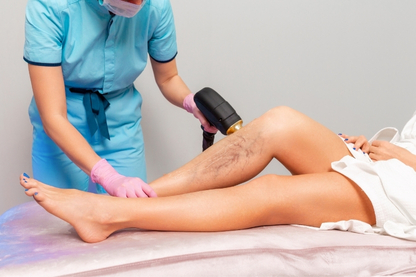
When should varicose veins be assessed?
Varicose veins can be associated with a range of symptoms, but they do not affect everyone in the same way. Assessment helps determine whether the veins may explain your concerns and whether treatment should be considered.
Symptoms can have different causes
Leg pain, tiredness, swelling and itching can be related to venous disease, but they may also have other explanations. Joint or muscle problems, nerve conditions, medication effects and other circulation issues can produce similar symptoms. A clinician considers the complete history and examination rather than assuming that every leg complaint is caused by varicose veins.
The size or appearance of a vein does not always correspond to the level of discomfort. Some people have prominent veins without significant symptoms. Others experience heaviness, aching or swelling even when visible veins are less obvious. The clinician can assess whether the vein findings relate to your concerns.
Skin changes such as persistent irritation, discolouration, hardening or a wound should be discussed with a healthcare professional. These findings may require a broader assessment of venous health and should not be managed only as a cosmetic issue.
Before an appointment, it may help to note when symptoms occur, whether they affect one or both legs, whether prolonged standing changes them and how long they have been present. These details can support the discussion, but they do not replace examination or ultrasound.
If a varicose vein bleeds, apply firm pressure and elevate the leg if possible, then seek urgent medical assessment. Sudden severe swelling, chest pain or difficulty breathing also requires urgent medical care. Do not wait for a routine vein appointment when symptoms may require emergency attention.
How is microphlebectomy planned?
Planning starts with a discussion of your symptoms, medical history and treatment goals. The clinician may ask when the problem began, what has changed over time, whether one or both legs are affected and whether you have had previous vein procedures. You should mention any medicines, allergies, prior blood clots, bleeding problems and significant health conditions.
A physical examination helps the clinician assess the visible veins, swelling and any skin changes. The veins may be easier to see when standing, so the examination position can vary. Your medical history and examination findings are considered together.
Duplex ultrasound is commonly used to assess vein anatomy and blood flow when the findings may affect treatment planning. It can help identify reflux in a larger superficial vein and show how visible branches relate to the underlying pattern. The clinician can then discuss whether microphlebectomy should be performed alone, combined with another treatment or staged for a later date.
Ultrasound findings do not automatically mean that a procedure is required. The clinician should explain what the scan shows, which veins are relevant to your symptoms and what the reasonable options are. If the source of symptoms is uncertain, additional evaluation may be appropriate before a vein procedure is chosen.
The right approach depends on the vein pattern
Microphlebectomy may be discussed for selected superficial varicose veins after clinical assessment.
Who may be considered for microphlebectomy?
Microphlebectomy may be considered when a clinician identifies superficial varicose veins that are suitable for removal through small skin openings. The veins may be prominent, symptomatic or remaining after treatment of a larger refluxing vein. The decision should be based on the assessment rather than appearance alone.
A person may be considered for microphlebectomy as a standalone procedure in some circumstances, or as part of a plan that also addresses reflux in a larger vein. The timing can be simultaneous, meaning more than one treatment is performed in the same session, or staged, meaning the clinician reassesses after an initial procedure before deciding whether to treat remaining tributaries.
The choice between a combined and staged plan depends on the clinical findings, patient preferences, available expertise and the details of the treatment being considered. Some people prefer to address visible veins at the same time when appropriate. Others may have a plan to treat the reflux source first and assess residual veins later.
The clinician may recommend a different approach if the veins are not suitable for removal, if another cause of symptoms is more likely, or if a different procedure better matches the anatomy. A history of blood clots, bleeding problems, medicines, allergies, mobility and other health factors should be reviewed before treatment.
If your main concern is appearance, discuss realistic expectations. Small openings can heal differently in different people. Bruising, temporary skin marks, pigment changes or visible scars can occur. No clinician can guarantee a particular cosmetic result for every patient.
If microphlebectomy is not recommended, ask why and whether another option is suitable. Alternatives may include ultrasound-guided sclerotherapy, endovenous treatment of a refluxing vein, monitoring or additional investigation. A clear explanation helps you understand the reasoning behind the plan.
What happens during microphlebectomy?
The precise process varies according to the number and location of veins, the clinician's technique and the overall treatment plan. Your care team should explain the steps, anaesthesia, preparation and aftercare before you decide to proceed.
Review and marking
The clinician reviews the treatment plan and marks the veins selected for removal. Ultrasound may help assess the vein pattern or confirm relevant anatomy.
Preparation
The skin is cleaned and prepared. The team confirms your health history, medicines, allergies and any changes since the consultation.
Anaesthesia
The anaesthesia approach is selected for the procedure and your needs. The clinician explains what you may feel and how to report discomfort.
Small skin openings
Small punctures or incisions are made near the marked veins. Their number and placement depend on the vein pattern.
Vein extraction
A specialized instrument is used to bring the selected vein through the openings and remove it in segments.
Dressing and instructions
The treated area is dressed and the team explains wound care, activity, compression if advised and follow-up.
What should I expect during the appointment?
Before treatment begins, you should have an opportunity to confirm that you understand the plan and to ask questions. The care team may review your medical history, current medicines and allergies. Tell them if something has changed since your initial assessment, including a new health problem, a medicine adjustment or a previous allergic reaction.
The setting, anaesthesia method and appointment length can vary. Follow the clinic's instructions about arrival time, clothing, medicines, food, transport and any other preparation. Do not stop or change prescribed medicines unless the clinician responsible for your care has advised you to do so.
The clinician makes small openings over the veins selected for removal and uses a specialized instrument to extract them in sections. You may notice pressure or temporary discomfort. Tell the clinician if you feel pain, become unwell or are worried about a sensation. Your care team can explain what is happening and respond to concerns during the appointment.
When the planned veins have been treated, the openings are managed according to the clinician's technique. You may receive dressings, compression or other instructions. These details differ between patients, so ask what applies to you rather than relying on a general description of microphlebectomy.
Before leaving, make sure you know how to care for the treated area, whether compression is recommended, when to return for review and how to contact the clinic if you have a concern. If you are visiting Istanbul for treatment, discuss travel timing and follow-up arrangements before booking your trip.
What can microphlebectomy change?
Microphlebectomy removes the selected vein segments from the treated area. Because the targeted veins are physically removed, those same sections do not simply remain beneath the skin in the same way. However, this does not guarantee that no new varicose veins will develop or that other veins will never become visible.
The appearance of the skin changes over time as bruising settles and the small openings heal. The timing and final appearance vary between people. Skin type, healing characteristics, the location and number of openings, and the extent of treatment can affect the result.
The procedure may improve the prominence of selected surface veins, but it cannot guarantee perfectly smooth skin or an exact cosmetic outcome. Some patients may notice temporary bruising, small marks, tenderness or pigment changes. The clinician should discuss these possibilities before the procedure.
If symptoms are related to a separate source of reflux, removing surface veins alone may not address that source. The treatment plan may therefore include endovenous ablation or another procedure. Ask which visible veins are expected to change and whether a separate treatment is planned for the underlying circulation pattern.
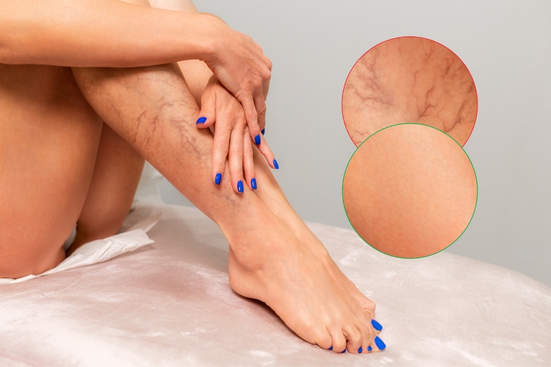
Can microphlebectomy be combined with EVLA or RFA?
Microphlebectomy may be combined with endovenous treatment when a patient has both a refluxing source vein and visible tributary varicosities. EVLA or RFA treats a selected refluxing vein from inside the vein, while microphlebectomy removes selected surface branches. The methods address different parts of the venous pattern.
A combined approach means more than one procedure is performed during the same treatment session, if clinically appropriate. A staged approach means one part of the treatment plan is completed first and the clinician reassesses before deciding whether another procedure is needed. The choice can depend on anatomy, symptoms, patient preferences, clinical evidence and the treating team's expertise.
Some patients may have persistent visible branches after the main refluxing vein has been treated. In that situation, the clinician may review the symptoms and appearance during follow-up and discuss whether phlebectomy or ultrasound-guided sclerotherapy is appropriate. Not every visible tributary needs to be treated.
A staged plan can help the clinician observe how the veins respond after treatment of the underlying reflux. A combined plan may be considered when the anatomy and treatment goals support addressing both components together. Neither approach is automatically better for everyone.
Ask your clinician which veins each procedure targets, what the expected sequence is, how follow-up will work and whether additional treatment is likely to be considered. Understanding the plan can help you set realistic expectations about recovery and the appearance of the treated leg.
Microphlebectomy, EVLA, RFA and sclerotherapy
These procedures have different purposes and techniques. The appropriate option depends on which veins are involved and what the assessment shows.
No treatment is automatically the right choice for every varicose vein. Ask how the proposed option relates to your diagnosis, which alternatives are reasonable and what each method is expected to address.
Recovery after microphlebectomy
Recovery varies according to the number and location of veins treated, the extent of the procedure, your general health and the aftercare plan. Your clinic should explain what to expect and provide instructions specific to your treatment.
Bruising, tenderness, swelling, tightness or temporary skin sensitivity can occur around the treated area. The amount and duration differ between individuals. Ask your clinician which symptoms are expected and which should prompt a call or review.
Follow the clinic's advice about walking, daily activity, dressings, compression if recommended, showering and wound care. Do not assume that every patient receives the same compression instructions or that a generic recovery timeline applies to your procedure.
Your return to work, exercise, driving and travel should be guided by the clinician who knows the details of your procedure and health. If your job involves prolonged standing, heavy lifting or long periods of sitting, ask what temporary changes may be appropriate.
Do not stop, start or change a prescribed medicine based on information on a website. Tell the care team about all medicines and supplements you use. Contact the prescribing clinician if you have a medicine question before or after treatment.
If you are travelling to Istanbul for treatment, discuss your itinerary with the clinic before making arrangements. Ask about follow-up timing, wound review, travel after the procedure and what to do if a concern develops after you return home.
When should I contact the clinic?
Contact your care team if pain or swelling is increasing, if you notice redness, unusual warmth, discharge, wound concerns or another change that worries you.
Seek urgent medical care for severe or sudden symptoms such as chest pain, difficulty breathing, fainting or sudden significant leg swelling. Do not wait for a routine follow-up if you believe you may need urgent attention.
Follow the written instructions provided by your clinician. They are based on your procedure and medical history.
What risks should I discuss before microphlebectomy?
Every procedure has potential risks. Their likelihood and significance vary between individuals and depend on factors such as the veins treated, the extent of the procedure, medical history, medicines and the technique used. The clinician should explain which risks are relevant to your case before you decide.
Possible issues associated with procedures that remove superficial veins can include bruising, tenderness, swelling, bleeding, infection, wound-healing problems, skin colour changes, small scars, numbness or irritation of nearby nerves, and blood-clot related complications. This is not a complete list and does not predict what will happen to an individual patient.
The number and location of small openings can influence healing. Although microphlebectomy uses small access points, it is not possible to guarantee that no marks or scars will be visible. Healing differs between people, and pigment changes or temporary firmness can occur.
If microphlebectomy is combined with another treatment, each part of the plan may have its own risks and aftercare. Ask whether additional procedures are planned and how they may affect your recovery.
Tell your clinician about previous blood clots, bleeding problems, allergies, medicines, supplements, previous vein procedures and significant health conditions. Mention pregnancy or the possibility of pregnancy where relevant. These details may affect treatment planning and the advice provided.
Before treatment, ask which symptoms require routine contact and which require urgent care. You should know whom to contact after the procedure, whether a follow-up appointment is planned and what to do if symptoms develop outside normal clinic hours.
What should I know about long-term results?
Microphlebectomy removes the selected vein segments. However, venous disease can involve more than one vein, and other veins may become visible over time. The procedure cannot guarantee that new varicose veins will never develop or that symptoms will never return.
If an underlying reflux source is present, the clinician may recommend treating it as part of the overall plan. Treating a source vein and removing surface tributaries address different parts of the venous pattern. The sequence and timing depend on clinical findings.
Follow-up allows the clinician to review healing and discuss any remaining or new symptoms. Depending on the treatment plan, a clinical review or ultrasound may be recommended. Ask what the follow-up is intended to assess and when it should take place.
General measures such as regular movement can support overall health, but they do not replace assessment or treatment when medically indicated. Factors such as family history, age, pregnancy, occupation and other health conditions can influence vein health. Ask your clinician which practical steps are relevant to your circumstances.
If a new vein appears or a previous symptom returns, arrange an assessment rather than assuming the cause. The new concern may be related to another vein, a progression of venous disease or a separate condition.
How can I prepare for an appointment?
You do not need medical terminology to prepare. Write down when your symptoms began, where you feel them, whether one or both legs are affected and what makes them better or worse. Note any visible changes, swelling, skin irritation, previous wounds or bleeding episodes.
Bring a current list of medicines and supplements. Tell the clinician about allergies, previous vein procedures, blood clots, bleeding problems and significant medical conditions. If you have previous ultrasound reports or treatment records, bring them if available.
It can also help to explain what matters most to you. You may be concerned about symptoms, visible veins, time away from work, travel or the possibility of additional treatment. Sharing these priorities can help the clinician explain the options in a way that is relevant to your goals.
Questions to ask your clinician
- What is the likely cause of my symptoms?
- What did the examination and ultrasound show?
- Which veins are being considered for removal?
- Is there a refluxing source vein that also needs treatment?
- Why is microphlebectomy being recommended for me?
- Could another treatment be more appropriate?
- What marks or scars may remain after healing?
- What risks are relevant to my medical history?
- What should I expect during recovery and follow-up?
- How should I plan travel if I am visiting Istanbul?
Personalized venous care in Istanbul
Istanbul Vein Center assesses varicose veins and other venous conditions. The clinical team considers each patient's concerns, examination and relevant ultrasound findings before discussing treatment options. The aim is to understand the vein pattern and explain which approaches may be relevant to the individual.
Prof. Dr. Ahmet Arnaz has more than 20 years of experience in venous care, according to the clinic's information. Treatment planning is individualized. Depending on the assessment, a patient may need one procedure, more than one treatment step or another approach.
If you are considering microphlebectomy, the consultation is an opportunity to discuss which veins may be treated, whether ultrasound findings show an underlying reflux source and whether other treatment options should be considered. You can also ask about recovery, possible marks, risks and follow-up.
Frequently asked questions about microphlebectomy
What is microphlebectomy?
Microphlebectomy is a procedure that removes selected superficial varicose veins through small skin openings. It is also known as ambulatory phlebectomy or miniphlebectomy.
Does microphlebectomy treat the source of venous reflux?
It removes selected surface veins, but it may not address reflux in a larger underlying vein. Ultrasound assessment helps determine whether another treatment should also be discussed.
Can microphlebectomy be combined with EVLA or RFA?
It may be combined with treatment of a refluxing vein in selected cases, or performed later as a staged procedure. The timing depends on the clinical findings and treatment plan.
Will microphlebectomy leave scars?
The procedure uses small openings, but healing varies between individuals. Temporary marks, pigment changes or small scars can occur. Your clinician can discuss likely considerations for the areas being treated.
Are the removed veins likely to grow back?
The vein segments that are removed do not simply return in the same form. However, other veins can become varicose or visible over time, and symptoms can recur for different reasons.
Is microphlebectomy suitable for every varicose vein?
No. Suitability depends on vein location, size, course, symptoms, ultrasound findings and health history. Some veins may be better treated with another method or may not require a procedure.
What should I expect during recovery?
Bruising, tenderness or swelling may occur, but recovery differs between individuals. Follow the instructions given by your clinician about activity, wound care, compression and follow-up.
When can I return to normal activities?
The timing depends on the procedure and your individual recovery. Ask your clinician about work, exercise, driving and travel instead of relying on a general timeline.
Is ultrasound needed before microphlebectomy?
Ultrasound is commonly used when it helps assess vein anatomy and blood flow or affects treatment planning. Your clinician can explain which examination is appropriate in your case.
How can I arrange a consultation in Istanbul?
Call Istanbul Vein Center at +90 (545) 112 10 10 or use the WhatsApp contact link on this page to ask about arranging an assessment.
Discuss your vein concerns with our team
An individual assessment can help clarify which veins may be involved and whether microphlebectomy or another approach may be suitable.
Medical information: This page provides general information and does not replace a consultation, diagnosis or individual medical advice. Suitability, benefits, risks and recovery vary. Discuss your circumstances with a qualified healthcare professional.