Foam Sclerotherapy for Varicose Veins
Learn how ultrasound-guided foam sclerotherapy is assessed and performed, which veins may be considered, and what recovery can involve. The right approach depends on your vein pattern, symptoms and individual health assessment.
What is foam sclerotherapy?
Foam sclerotherapy is an injection-based procedure in which a sclerosant is prepared as a foam and injected into selected veins to close them.
Veins return blood from the body towards the heart. In the legs, one-way valves help blood move upwards against gravity. If the valves do not close effectively, blood can flow backwards and collect in a vein. This backward flow is called venous reflux. It may contribute to varicose veins and symptoms such as aching, heaviness, swelling or itching.
A sclerosant is a medicine used to treat selected veins. In foam sclerotherapy, the sclerosant is prepared as a foam before injection. The clinician places it into the target vein using a needle or catheter, depending on the treatment plan. For veins that are not directly visible, ultrasound can help locate the target and guide the injection. This approach is commonly called ultrasound-guided foam sclerotherapy, or UGFS.
The sclerosant affects the inner lining of the treated vein. The vein closes over time, and blood is redirected through other veins. The body gradually absorbs the closed vein. The response is not instant, and the appearance of treated veins can change over weeks or months. Individual responses vary.
Foam sclerotherapy may be considered for selected varicose veins, reticular veins, tributaries, recurrent veins or residual veins after another procedure. The exact use depends on the vein's size, depth, location and flow pattern, as well as the patient's symptoms and health history.
Foam is not automatically preferable to liquid sclerotherapy, EVLA, RFA, glue closure or microphlebectomy. The techniques address different vein patterns and have different limitations and risks. A clinical assessment helps identify the treatment target and determine which options are reasonable.
A medicine is prepared as foam and injected into selected veins.
Imaging may help locate and treat a deeper target vein.
Suitability depends on the vein pattern and health assessment.
How does foam sclerotherapy close a vein?
The procedure starts with identifying the vein selected for treatment. Depending on its location, the clinician may see the vein directly, use ultrasound to locate it, or combine visual assessment with imaging. The method of access is chosen according to the target vein and treatment plan.
A sclerosant is prepared as a foam before it is introduced into the vein. The foam contacts the inner surface of the target vein and triggers a response that leads to closure. The treated vein no longer carries blood through that segment, and blood is redirected through other veins.
Ultrasound-guided foam sclerotherapy uses real-time imaging to help the clinician see the target vein and guide the injection. This can be useful when the vein lies beneath the skin and cannot be accurately targeted by looking at the surface alone. The clinician may also use ultrasound to assess the vein pattern before deciding where treatment should be directed.
The purpose is not simply to inject foam wherever a vein is visible. The clinician should identify the treatment target, understand the surrounding venous anatomy and select an appropriate technique. The amount and preparation of sclerosant depend on the clinical plan and the product used.
Closing a selected superficial vein does not stop blood from returning from the leg. Blood continues to flow through other veins. The clinician considers the wider venous system when deciding whether a particular vein can be closed and whether another source of reflux should also be addressed.
How is foam different from liquid sclerotherapy?
Both techniques use a sclerosant to treat selected veins. The difference is how the medicine is prepared and delivered. Liquid sclerotherapy uses the sclerosant in liquid form. Foam sclerotherapy uses a prepared foam. The clinician chooses between them according to the vein and the treatment objective.
Foam may be considered for some veins that are larger or deeper than those typically treated with liquid injections. Ultrasound guidance may be used to visualize the target and help direct the injection. The suitability of foam depends on more than vein diameter alone; depth, location, flow and the overall clinical picture also matter.
Liquid sclerotherapy may be considered for certain smaller, superficial veins. Foam may be considered for selected tributary, reticular or varicose veins. These are general descriptions, not rules that apply to every person. A clinician should make the choice after assessment.
Foam sclerotherapy is not automatically more effective or appropriate in every case. Different agents and methods have different uses and risks. The clinician should explain why foam is being considered, whether ultrasound is needed and what alternatives may be suitable.
If a patient has a significant refluxing trunk vein, the clinician may discuss whether foam is appropriate for that vein or whether another approach should be considered. Evidence and guidelines distinguish between different vein patterns and treatment goals, so the choice should be individualized.
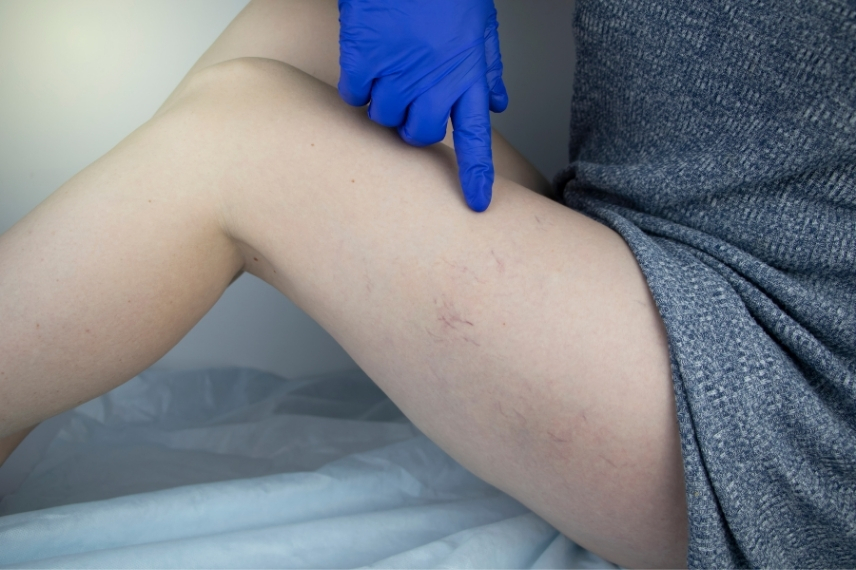
Which veins may be treated with foam sclerotherapy?
Foam sclerotherapy may be considered for selected veins after clinical assessment. The vein pattern, symptoms and ultrasound findings help determine whether it is an appropriate option.
These examples do not determine treatment suitability. The clinician should explain which veins are involved, whether reflux is present and what the proposed treatment is expected to address.
When should varicose veins be assessed?
Varicose veins may be visible without causing symptoms, or they may be associated with discomfort and changes in the legs. Assessment helps determine whether the veins may explain your concerns and whether foam treatment or another approach should be considered.
Symptoms can have more than one cause
Leg aching, heaviness, swelling and itching can be associated with venous disease, but they may also have other explanations. Musculoskeletal conditions, nerve problems, medication effects and other circulation issues can cause similar symptoms. A clinician considers the complete history and examination rather than assuming that every leg complaint is caused by varicose veins.
The visible size or number of veins does not always correspond to the level of discomfort. Some people have visible veins without significant symptoms. Others experience aching or swelling even when the veins are less obvious. The clinician can assess whether the vein findings relate to your concerns.
Skin changes such as persistent irritation, discolouration, hardening or a wound should be discussed with a healthcare professional. These findings may require a broader evaluation of venous health and should not be considered only as a cosmetic concern.
Before your appointment, it may help to note when symptoms occur, whether one or both legs are affected, whether standing or sitting for a long time changes them and how long they have been present. These details support the consultation but do not replace examination or ultrasound.
If a varicose vein bleeds, apply firm pressure and elevate the leg if possible, then seek urgent medical assessment. Sudden severe swelling, chest pain or difficulty breathing also requires urgent medical attention. Do not wait for a routine vein appointment if symptoms may need emergency care.
How is foam sclerotherapy planned?
Planning begins with a discussion of your symptoms, medical history and treatment goals. The clinician may ask when the veins appeared, whether they have changed, whether you have pain or swelling, and whether you have received previous treatment. They may also ask about medicines, allergies, prior blood clots, bleeding problems, pregnancy and other health conditions.
A physical examination helps assess visible veins, swelling and any skin changes. The clinician may examine you in different positions to understand the vein pattern. Your history and examination findings are considered together.
Duplex ultrasound is commonly used when information about blood flow and vein anatomy may affect treatment planning. It can help identify reflux, map the veins involved and show the relationship between visible branches and larger superficial veins. During ultrasound-guided foam treatment, imaging also helps the clinician locate and guide the target vein.
Ultrasound findings do not automatically mean that a procedure is required. The clinician should explain what the scan shows, which vein is relevant to your symptoms and what options may be appropriate. If the cause of a symptom is uncertain, further evaluation may be needed before treatment is selected.
The assessment should also cover the sclerosant and technique, the number of areas to be treated, aftercare, possible risks and whether more than one session may be considered. Ask what the proposed treatment is expected to change and what it may not address.
Foam is one option, not a universal treatment
The vein pattern, symptoms, health history and ultrasound findings guide the treatment discussion.
Who may be considered for foam sclerotherapy?
Foam sclerotherapy may be considered for selected superficial veins when the clinician determines that the vein, symptoms and health factors support its use. It may be discussed for certain tributary veins, recurrent veins, residual veins or other appropriate vein patterns.
The clinician considers the location and course of the vein, its relationship to other veins, the presence of reflux, symptoms, previous treatment and medical history. The goal is to select a procedure that matches the findings rather than to apply foam to every visible vein.
Foam treatment is not automatically the best choice for every patient with a larger refluxing vein. Clinical guidelines distinguish among vein patterns and treatment priorities. For some patients, EVLA, RFA or another method may be discussed, while foam may be considered for other situations or as part of a staged plan.
Health factors can affect whether treatment should proceed or whether it should be delayed. These may include a history of blood clots, mobility, allergies, medicines, pregnancy and other conditions. The clinician should review these factors and explain any precautions.
Your preferences also matter. You may want to discuss the expected number of sessions, possible temporary changes in the skin, compression advice, activity recommendations and follow-up. Ask whether treatment is intended mainly for symptoms, visible veins or both.
If foam sclerotherapy is not suitable, another treatment or additional evaluation may be appropriate. Alternatives can include liquid sclerotherapy, EVLA, RFA, glue closure, microphlebectomy, conservative management or a combination of approaches. The clinician can explain why one option may be preferred in your case.
What happens during foam sclerotherapy?
The exact process varies according to the target vein, the sclerosant, the use of ultrasound and the clinical setting. Your clinician should explain the planned steps, preparation and aftercare before you decide to proceed.
Review and confirmation
The clinician reviews your symptoms, medical history, examination and relevant ultrasound findings.
Target vein identification
The vein selected for treatment is identified. Ultrasound may be used to locate a deeper or non-visible target.
Preparation
The skin is cleaned and the sclerosant is prepared as foam according to the treatment plan and product instructions.
Guided injection
The clinician injects foam into the selected vein. Ultrasound may be used to guide and observe treatment.
Compression if advised
A pad, dressing, bandage or compression garment may be recommended depending on the treatment plan.
Aftercare instructions
The team explains activity, follow-up and symptoms that should prompt contact with the clinic.
What should I expect during the appointment?
Before the procedure, you should have an opportunity to confirm the treatment plan and ask any remaining questions. The care team may review your medical history, medicines and allergies. Tell them if something has changed since your consultation, including a new illness, medicine adjustment or previous reaction to an injection.
The skin is prepared and the target vein is identified. If ultrasound guidance is being used, the clinician uses the image to locate the vein and guide the injection. The foam is introduced into the planned vein according to the treatment protocol.
You may feel a brief sting, pressure or mild discomfort during an injection. Tell the clinician if you feel significant pain, become unwell or are concerned. Your care team can explain what is happening and respond to your questions during the procedure.
A dressing, pad, bandage or compression garment may be used after treatment. Recommendations vary between patients and procedures. Follow the instructions you are given rather than assuming that compression is always needed or never needed.
Before leaving, make sure you understand the aftercare plan, activity guidance, follow-up arrangements and how to contact the clinic. If you are travelling to Istanbul for treatment, discuss your travel schedule and follow-up needs before arranging your trip.
Can foam be combined with other vein treatments?
Foam sclerotherapy may be included in a broader treatment plan when more than one vein pattern is present. For example, a clinician may discuss treating a refluxing source vein with EVLA or RFA and assessing remaining tributary veins for foam or microphlebectomy.
A combined approach means more than one procedure is performed during the same treatment session, when clinically appropriate. A staged approach means the clinician treats one part of the venous pattern first and reassesses before deciding whether another procedure is needed. The plan depends on anatomy, symptoms, patient preferences and clinical judgement.
Some visible veins may become less prominent after treatment of an underlying reflux source. Other veins may remain and need separate assessment. A clinician may choose to wait and review the response rather than treating every visible vein at once.
Foam may also be discussed for residual or recurrent veins after previous treatment. Recurrent veins can have different causes, so ultrasound and clinical assessment help determine whether foam is suitable or whether a different method should be considered.
Ask which veins each part of the plan is intended to treat, what sequence is proposed, whether more than one session may be needed and how follow-up will determine whether additional care is appropriate. This helps set realistic expectations about the treatment and recovery.
Foam sclerotherapy, EVLA, RFA and microphlebectomy
These procedures use different methods and may address different parts of the venous system. The appropriate option depends on the diagnosis and individual findings.
No method is automatically best for every patient. Ask why a treatment is recommended, which veins it will address and what alternatives are appropriate for your assessment.
Potential advantages of foam sclerotherapy
When foam sclerotherapy is appropriate for a selected vein, it offers an injection-based treatment that can be guided by ultrasound. It does not require a surgical incision to deliver the sclerosant. The potential benefit depends on the clinical purpose and the vein being treated.
- It can treat selected superficial veins by injection.
- Ultrasound can help guide treatment of a deeper target.
- It may be considered for some tributary or recurrent veins.
- It can form part of a staged or combined treatment plan.
- It does not require a long surgical incision for injection.
- It allows the clinician to focus on selected veins.
These are general characteristics, not a promise of a particular result. Symptom improvement, visible change and the number of sessions vary between patients.
What foam sclerotherapy may not address
Foam treatment closes selected veins. It may not treat every visible vein, every source of reflux or symptoms caused by another condition. The clinician should explain the expected scope of treatment and what may need separate assessment.
Some refluxing trunk veins may have other treatment options that are discussed according to the patient's priorities and clinical findings. Foam should not be assumed to be the preferred method for every larger vein or every person who has reflux.
More than one session may be considered. New veins can develop over time, and symptoms may recur. Treatment cannot guarantee that varicose veins will never become visible again.
Temporary bruising, firmness, inflammation, skin discolouration or other visible changes can occur. Ask the clinician which effects are relevant to the technique planned for you.
Recovery after foam sclerotherapy
Recovery varies according to the number and location of veins treated, the type of procedure, your general health and the aftercare plan. Your clinician should explain what to expect and provide instructions specific to your treatment.
Some people notice bruising, tenderness, redness, itching or temporary swelling around the injection site or treated vein. A treated vein may feel firm or tender for a period while it responds to treatment. The nature and duration of these effects vary.
Visible improvement is gradual. Treated veins may take weeks or longer to become less noticeable. The time course depends on vein type, the response to treatment and whether additional sessions are planned. The clinician can discuss when the area should be reviewed.
Follow the clinic's advice about walking, compression if recommended, dressings, skin care, exercise and travel. Advice can differ between patients. Do not use a general online recovery timeline to decide when to resume strenuous activity.
Do not stop, start or change prescribed medicines based on website information. Tell the clinician about all medicines and supplements you take. If you have a medicine question before or after treatment, contact the clinician who manages that prescription or your care team.
If you are travelling to Istanbul for treatment, discuss your travel dates and follow-up arrangements before booking. Ask whether a review or ultrasound is planned, how long you should remain available for follow-up and what to do if symptoms develop after returning home.
When should I contact the clinic?
Contact your care team if pain, swelling, redness or another symptom is increasing, or if you notice a change that is not covered by your instructions. Ask for advice if you are unsure whether a symptom is expected.
Seek urgent medical attention for severe or sudden symptoms such as chest pain, difficulty breathing, fainting, sudden significant leg swelling, or sudden neurological or visual symptoms. Do not wait for a routine follow-up if urgent care may be needed.
The instructions from your treating clinician take priority because they are based on your procedure and health history.
What risks should I discuss before foam treatment?
Every medical procedure has potential risks. The likelihood and significance vary between individuals and depend on the target vein, sclerosant, amount used, injection technique, health history and other factors. The clinician should explain the risks relevant to your case before you decide.
Possible effects can include bruising, tenderness, itching, inflammation of a treated vein, a firm area, temporary skin discolouration or the appearance of small new surface vessels. These effects vary and may take time to settle. Ask the clinician which changes are expected and which should prompt contact.
Blood-clot-related complications are also part of the risk discussion. A clot may develop in a superficial vein, and a deep-vein thrombosis is a less common but important complication to understand. Your personal risk depends on your medical history and treatment factors.
Foam can enter the circulation. Some patients may experience temporary visual disturbance, headache or migraine-like symptoms. Rare but serious neurological or embolic complications have been reported. The clinician should explain the small but significant risks associated with foam injection and what symptoms require urgent assessment.
Tell the clinician about previous blood clots, migraines or neurological symptoms, allergies, medicines, pregnancy or the possibility of pregnancy, and any significant health conditions. These details can affect treatment planning and precautions.
If foam sclerotherapy is combined with another procedure, each treatment may have additional risks and aftercare requirements. Ask what procedures are planned, whether they will be performed together or in stages, and how follow-up will be arranged.
What should I know about results over time?
Foam sclerotherapy aims to close the veins selected for treatment. Visible changes develop gradually, and the time required varies. The result depends on the vein pattern, treatment response and whether additional sessions are considered.
Some patients may need more than one treatment session. This can depend on the number of veins, their size and distribution, the response to the first treatment and the overall clinical plan. A follow-up appointment can help the clinician review progress and decide whether further care should be discussed.
New varicose or superficial veins may develop over time. Treating selected veins does not prevent every other vein from becoming visible. If symptoms return or new veins appear, a clinician can assess whether they are related to a new reflux pattern, a previously untreated vein or another cause.
Follow-up may include a clinical review and, when appropriate, ultrasound. Ask what the review is intended to assess and when it should take place. Keep the contact details for your care team in case you have questions after treatment.
General habits such as regular movement may support overall health, but they do not replace diagnosis or medical treatment when needed. Ask your clinician whether specific activity, compression or skin-care advice is relevant to you.
How can I prepare for an appointment?
You do not need to know medical terminology to prepare. Write down when your symptoms began, where you feel them, whether one or both legs are affected and what seems to make them better or worse. Note any visible changes, swelling, previous treatment or skin concerns.
Bring a current list of medicines and supplements. Tell the clinician about allergies, previous blood clots, migraines or neurological symptoms, bleeding problems, pregnancy status where relevant, previous vein procedures and significant health conditions.
If you have previous ultrasound reports, treatment records or notes from another clinician, bring them if available. They may help explain your history, although they do not replace a current examination.
Questions you can ask
- What type of veins are being assessed?
- Which vein is planned for foam treatment?
- Will ultrasound be used during the procedure?
- Is there an underlying source of reflux?
- Why is foam preferred over another method in my case?
- How many sessions may be considered?
- What risks are relevant to my health history?
- Should I use compression after treatment?
- What symptoms should prompt a call or urgent review?
- How should I arrange travel and follow-up?
Personalized venous care in Istanbul
Istanbul Vein Center assesses varicose veins and other venous conditions. The clinical team considers each patient's concerns, examination and relevant ultrasound findings before discussing treatment options. The aim is to understand the vein pattern and explain which approaches may be relevant to the individual.
Prof. Dr. Ahmet Arnaz has more than 20 years of experience in venous care, according to the clinic's information. Treatment planning is individualized. Depending on the assessment, a patient may need one procedure, more than one treatment session or a different approach.
If you are considering foam sclerotherapy, a consultation is an opportunity to discuss which veins are involved, whether ultrasound guidance is appropriate and whether another treatment should also be considered.
Frequently asked questions about foam sclerotherapy
What is foam sclerotherapy?
It is an injection treatment in which a sclerosant is prepared as foam and introduced into selected veins to close them. Ultrasound may be used to locate and guide treatment of a target vein.
What is ultrasound-guided foam sclerotherapy?
It is foam sclerotherapy performed with ultrasound imaging to help the clinician locate and guide treatment of a vein that may not be directly visible at the skin surface.
How is foam different from liquid sclerotherapy?
Both use a sclerosant, but foam is prepared as a foam before injection, while liquid sclerotherapy uses the medicine in liquid form. The clinician selects the method according to the vein and clinical findings.
Is foam sclerotherapy suitable for every varicose vein?
No. Suitability depends on vein anatomy, symptoms, ultrasound findings, medical history and treatment goals. Another treatment may be more appropriate for some patients.
Does foam treatment address the source of reflux?
It can treat selected veins, but it does not automatically address every source of reflux. The clinician may discuss additional or alternative treatment after assessment.
How many foam sclerotherapy sessions may be needed?
The number varies according to the veins treated and the clinical response. Your clinician can explain whether one or more sessions may be considered after assessment.
When will treated veins become less visible?
Changes are gradual and vary between individuals. The clinician can discuss what time course may be realistic for your vein pattern and whether follow-up is planned.
Can new varicose veins appear after treatment?
Yes. New veins can become visible over time, even after selected veins have been treated. If symptoms return or change, arrange a clinical assessment.
What risks should I ask about?
Ask about bruising, tenderness, skin changes, inflammation, blood-clot-related risks and the possibility of temporary visual or neurological symptoms associated with foam. Your clinician can explain risks relevant to your health history and planned treatment.
How can I arrange a consultation in Istanbul?
Call Istanbul Vein Center at +90 (545) 112 10 10 or use the WhatsApp contact link on this page to ask about an assessment.
Discuss your vein concerns with our team
An individual assessment can help clarify which veins are involved and whether foam sclerotherapy or another approach may be suitable.
Medical information: This page provides general information and does not replace a consultation, diagnosis or individual medical advice. Suitability, benefits, risks and recovery vary. Discuss your circumstances with a qualified healthcare professional.